Patented Technology Engineered to Help Release Undissolved Air & Gases From Water
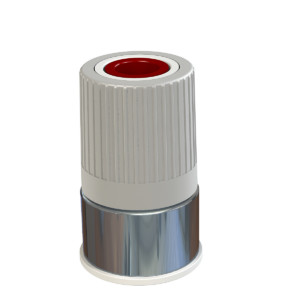

Patent Registered: #299363
A notable portion of household water-pipe volume can consist of undissolved air and oxygen-derived gases. These gases can be released at taps and showerheads, where they contribute to taste, odor, and water-handling characteristics.
Depending on source water, some of these gases — including radon-related, sulfur-related, chlorine, and ammonia gases — are discussed in water science in connection with water quality and household environmental conditions. Occurrence and levels vary by region, plumbing, and source water conditions.
Depending on source water and regional conditions, the following gases are commonly discussed in water chemistry and home-water-quality literature:
Naturally occurring radioactive gas
A naturally occurring radioactive gas from the ground that can enter groundwater. The U.S. EPA discusses radon in relation to indoor air and water-quality guidance; occurrence varies by region. See the U.S. EPA Radon resources for official information.
Flammable, typically odorless
Can enter water supplies in certain geological conditions; commonly discussed in the context of well-water quality.
Flammable hydrocarbon gas
Similar profile to methane — a hydrocarbon gas occasionally discussed in well-water-quality contexts.
Flammable hydrocarbon gas
Commonly used as a household fuel; mercaptan is typically added to commercial supplies for odor detection.
Flammable hydrocarbon gas
Widely used in grills and portable stoves; relevant to household gas safety.
Rotten-egg odor
Associated with characteristic sulfur odors in some water sources, including certain mineral and well waters.
Common municipal disinfection residual
Used widely for municipal water disinfection; often associated with characteristic taste and odor at the tap.
Strong odor
Has a sharp, distinctive odor and is sometimes associated with chloramine disinfection or agricultural runoff.
Affects water pH & corrosivity
Can contribute to acidity in water, which can in turn affect metal release from pipes over time.
TipaTech systems are water treatment and filtration products, not medical devices. The occurrence and levels of these gases vary by source water, plumbing, and regional conditions. Information above is for educational purposes and references publicly available water-science and regulatory resources.
TipaTech's patented Air-Release mechanism is a first-stage technology engineered to help release undissolved air and oxygen-derived gases from the water stream. Performance varies by source water composition and system configuration.
Both Crystal Flow systems use the same TipaTech patented air-release stage: the T-18 applies it at the main water line for whole-home gas reduction, and the LotusDY applies it at the under-sink point of use with a dedicated gas trapper at the head of the filter. Same patent family, two installation points, complete coverage from the main line to the kitchen tap.
Engineered to help release undissolved air and oxygen-derived gases — including sulfur-related, radon-related, chlorine, and ammonia gases — subject to source water conditions.
By helping reduce undissolved gases within the system, the design is engineered to help limit internal conditions that can support aerobic microbial growth within the filtration pathway.
Patented technology engineered to help reduce lead leaching from household plumbing by helping manage corrosive conditions, and to help reduce limescale formation — without salt or chemical softeners.
During hot showers, undissolved gases in water can be released into bathroom air. Household radon exposure is discussed in public-health guidance from the U.S. EPA; relevant levels depend on source water, ventilation, and regional geology.
Undissolved gases can affect water taste, odor, and the overall drinking-water experience at the tap.
TipaTech's Air-Release technology is engineered to help release undissolved gases as the first treatment stage, contributing to cleaner, better-tasting water for the whole home. Not a medical device; not intended to diagnose, treat, cure, or prevent any disease.
Patented TipaTech Air-Release technology — engineered for safer & cleaner water, shipped by your authorized dealer.
Shop T-18 & LotusDY Systems →About installation: Crystal Flow H2O, LLC sells and supports water treatment equipment. We are not a licensed contractor and we do not perform plumbing or installation work. Installation is performed by independent, licensed plumbing contractors. On request we can refer you to a licensed installer from our vetted network; that installer is an independent business, sets its own price and schedule, and you contract with them directly. Always ask for a contractor’s CSLB licence number and verify it free at cslb.ca.gov.
Privacy Policy Terms of Service
© 2026 Crystal Flow H2O, LLC · Authorized TipaTech dealer
